Guitars
Locking Tuners: Do You Really Need Them?
Locking tuners clamp the string instead of wrapping it, and the documented gains are faster string changes and fewer slippage points — not better tone.
Instruments and signal chain in detail: pickups, woods and construction, amp circuits, pedal order, string gauge, intonation, and repairs worth paying for.
Locking tuners clamp the string instead of wrapping it, and the documented gains are faster string changes and fewer slippage points — not better tone.
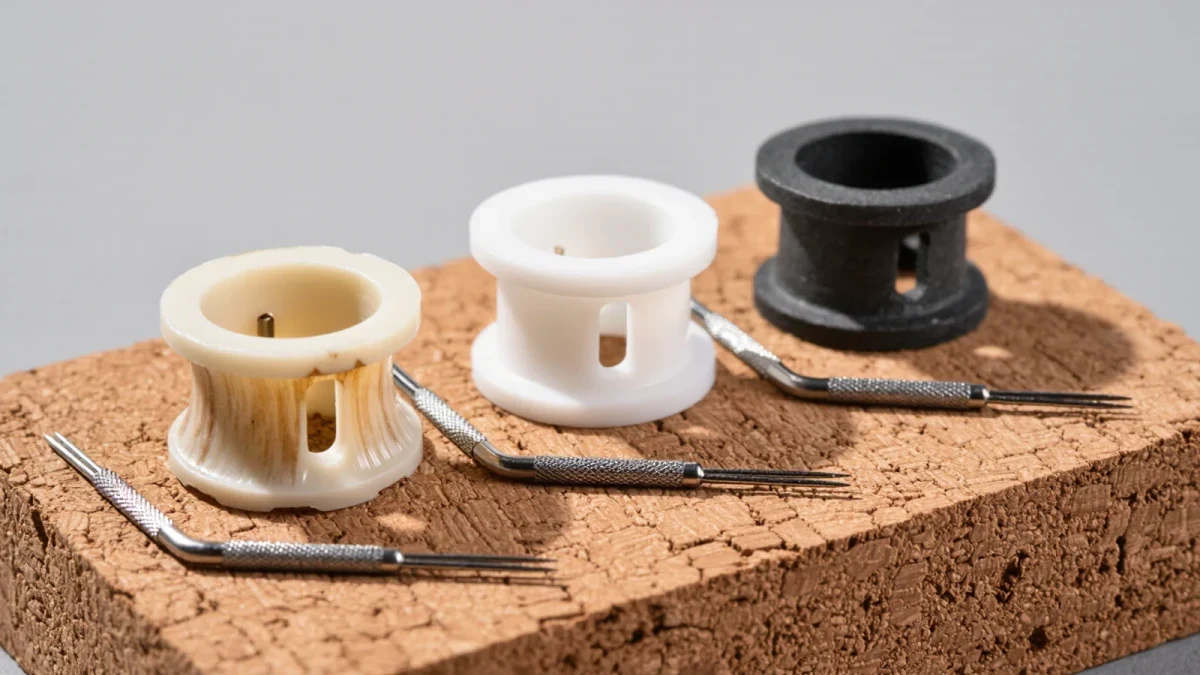
Bone, Tusq, and graphite-loaded nuts differ in hardness, consistency, and self-lubrication — and the spec sheet explains most of what players hear at the headstock.
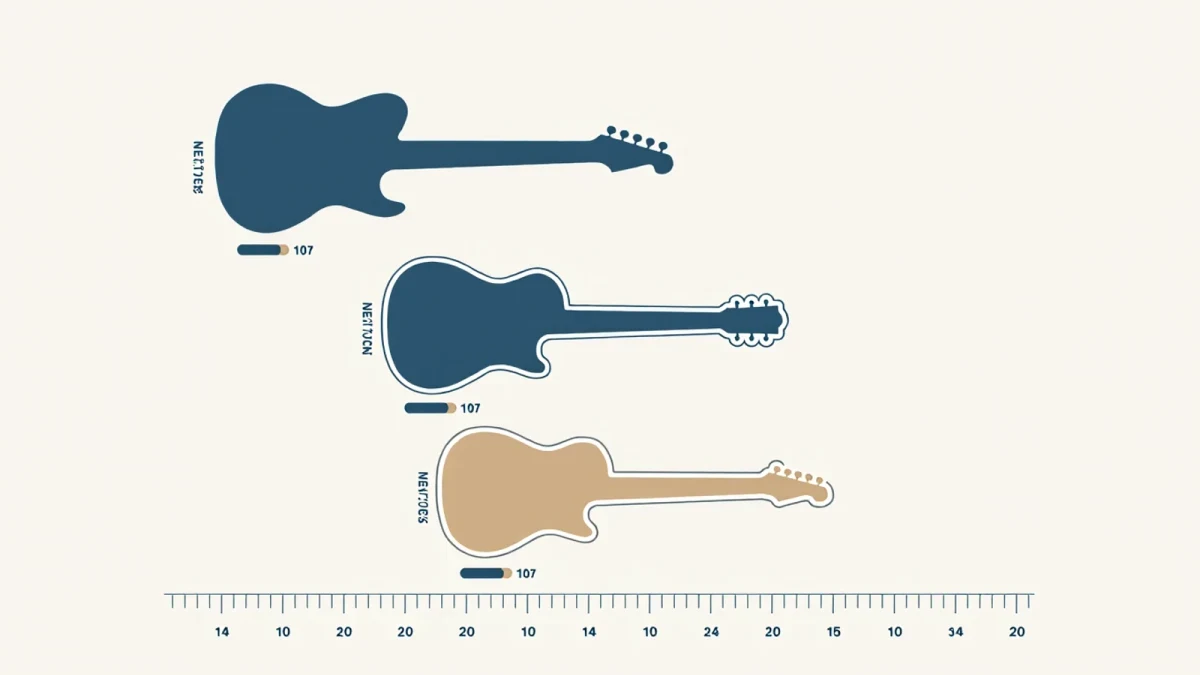
The travel-guitar field splits into three documented formats — compact full-scale acoustics, headless short-scale electric travelers, and collapsible neck designs — and the right pick depends on how you pack.
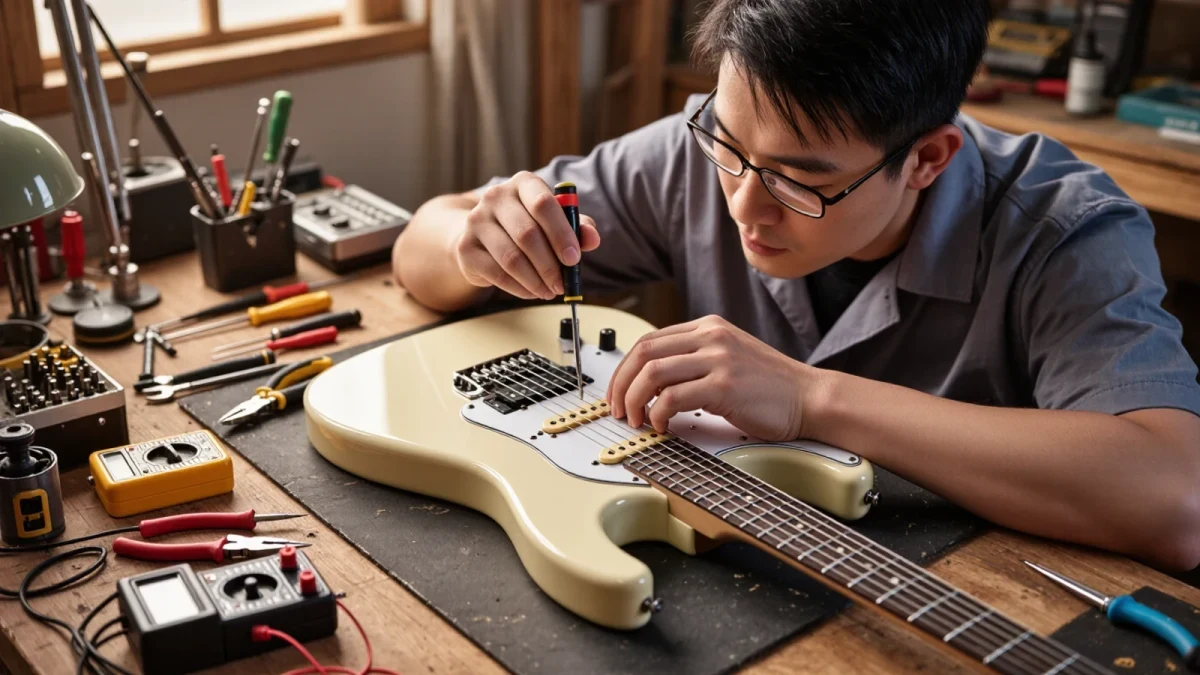
Single-coils, humbuckers, and P90s are three magnetic designs with different wire counts and different maker-claimed characters — here is what the spec sheets actually say.
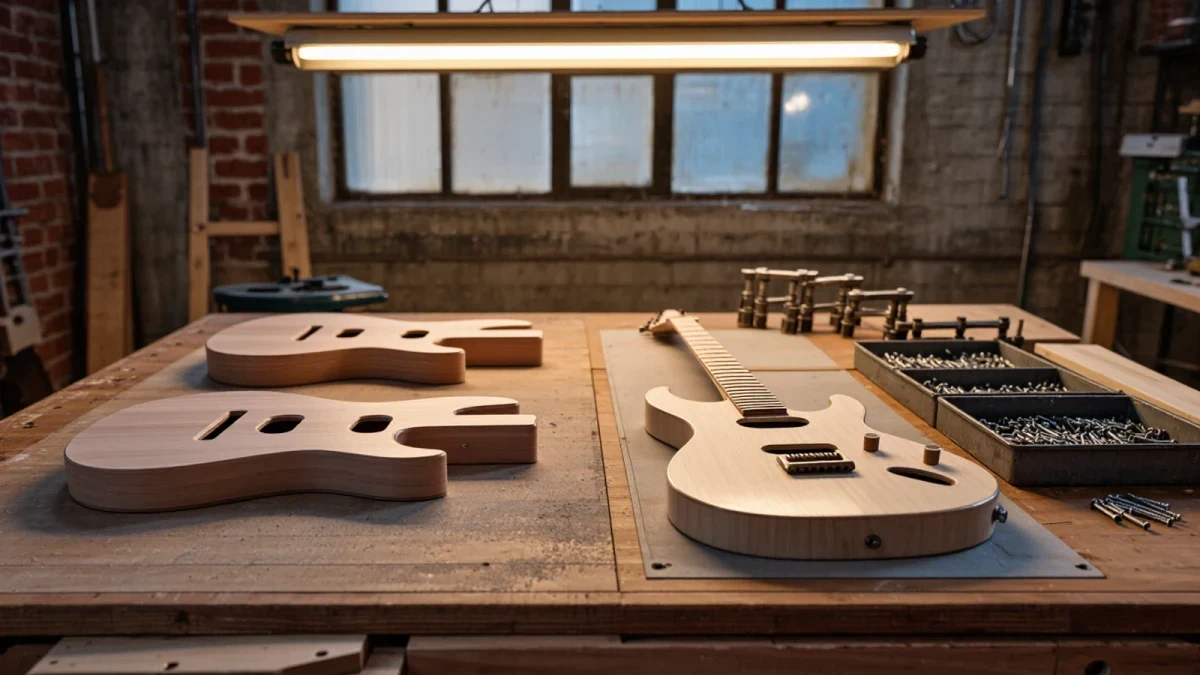
Bolt-on, set, and neck-through describe how a neck joins the body — and the choice drives sustain claims, repair costs, and access to the high frets.
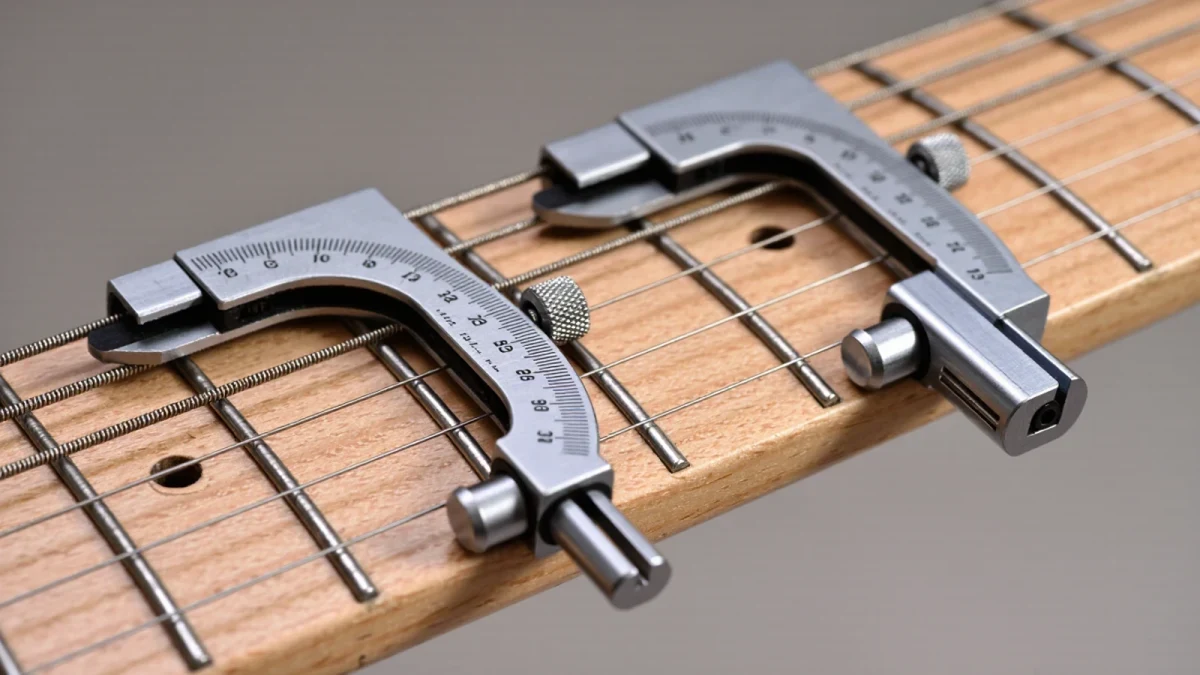
Fretboard radius is the curve across your neck, and the 2.5 inches between Fender's 9.5 and Gibson's 12 decides how bends feel and how barre chords sit.